
Autism
Finding a Rhythm: Building Communication Through Play
A quieter home, fewer meltdowns, and a child who now asks for what he needs.
Individual support · Autism · Down syndrome · Developmental delays
Alex Morgan works one to one with children and young people with additional developmental and educational needs, building a plan around the individual child rather than a fixed program.


Experience across
Sample figures. Replace with your own verified numbers.
Who she supports
Support built around communication, routine and sensory needs, adapted to how each child understands the world.
Developmental and academic support that works with a child's pace, strengths and communication style.
Observation led support that identifies where a child is now and builds gradually from there.
Academic and individual educational support suited to how a specific child learns best.
Her philosophy
I don't believe in applying the same plan to every child. I believe in figuring out what this specific child needs, and building from there.
Read her full approachHow she works
Time spent understanding the child before any plan is written, including how they communicate, what motivates them, and where they find things difficult.
Goals set with the family, not imposed on them, based on what actually matters for that child's day to day life.
Regular sessions that build a relationship of trust, adapting as the child's needs and confidence change.
Ongoing conversations with parents about what is working, what needs adjusting, and what progress looks like next.
Evidence of work
Autism
A quieter home, fewer meltdowns, and a child who now asks for what he needs.
Down syndrome
From needing full support at mealtimes to managing most of it independently within a school term.

Learning difficulties
Reading confidence doubled once lessons were rebuilt entirely around her own interests.
In parents' words
She noticed things about my son in the first session that we hadn't seen in months of other programs. Sample testimonial: parent of a 6 year old
Credentials
A summary of her formal training sits on the qualifications page, alongside her full CV.
View qualificationsAvailability
She offers in person sessions in Lagos, with remote consultations available for families further afield.
A closer look

A space prepared in advance, calm and free of distraction, set up around what today's session needs.
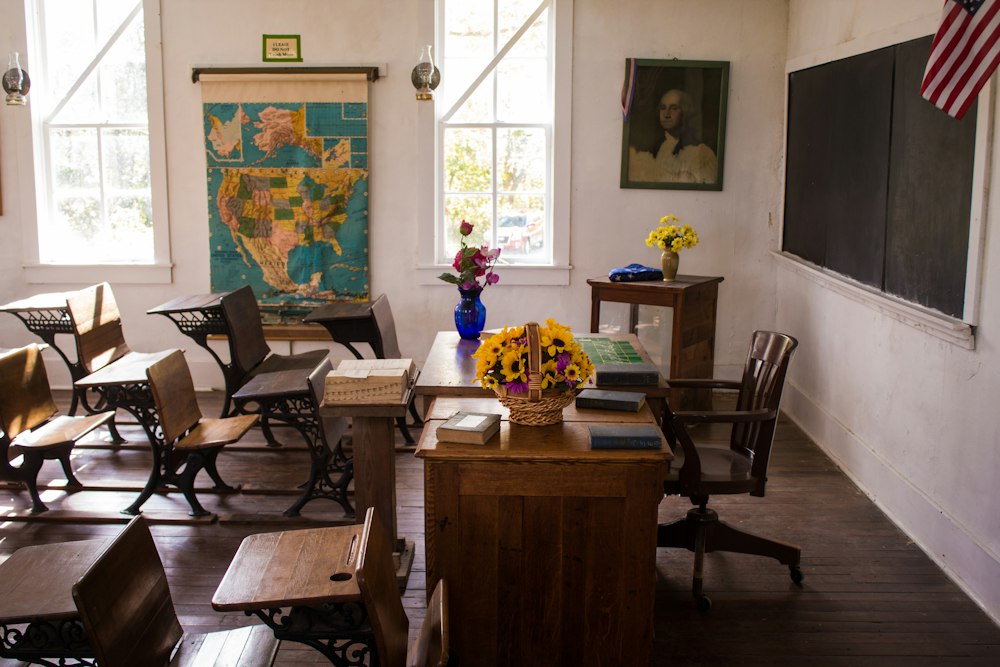
The first few minutes are rarely about the task itself. They're about the child feeling safe enough to begin.
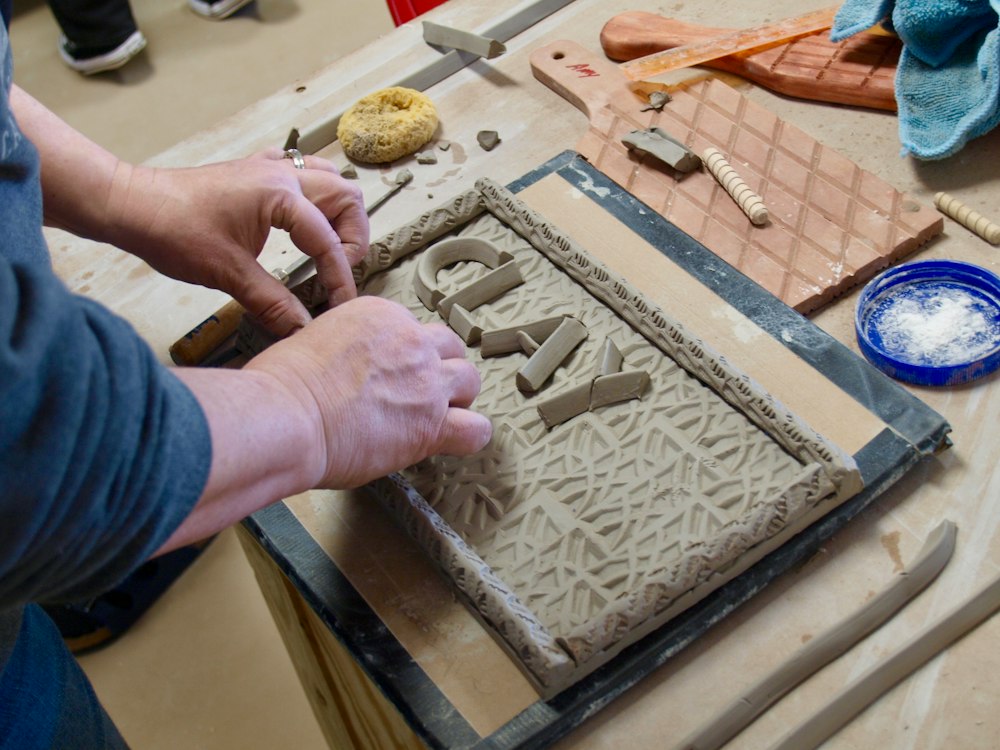
Chosen for this child specifically: what motivates them, what stretches them, and what they're ready for today.

Progress rarely looks dramatic in the moment. It looks like sustained attention, a second attempt, a small adjustment.

What gets recorded afterward: what worked, what to try next, and what to tell the family.

In her words
Get in touch
Every enquiry starts with a short conversation, not a commitment.